
As your little one grows, one milestone that parents begin to think about in the early days is Baby Weaning. Baby Weaning is the start of your baby transitioning from exclusively having breast milk or formula feed, to introducing solid foods into your baby’s diet.
In this guide, we’ll introduce 10 Top Tips exploring the different aspects of baby weaning, from when to start to what foods to introduce. At Growing Greatness, we know the idea of introducing solids can seem daunting, but this guide will help make the process simple and enjoyable for both you and your baby.
1. The Right Time to Start Weaning
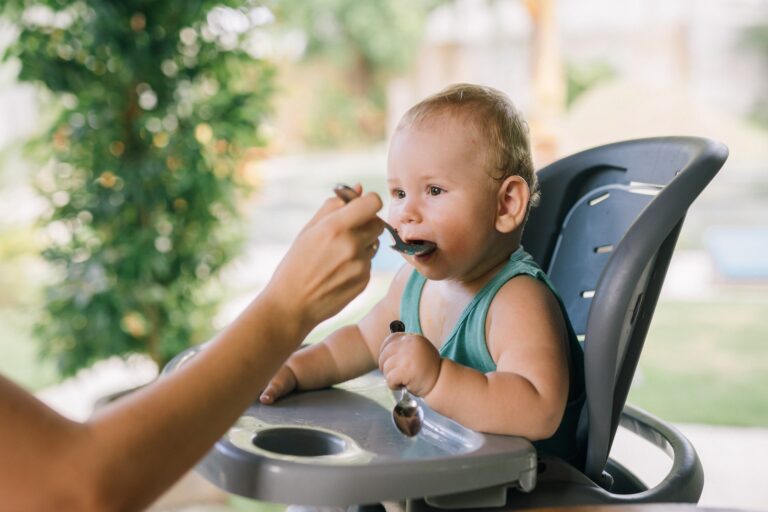
Baby Weaning typically begins around the 6 month mark, however we encourage you to pay close attention to your baby’s individual cues telling you they are ready! Look for signs such as your baby showing an interest in your food, being able to sit up and hold their heads steady with support such as in a highchair and no longer tongue trusting, which is a natural reflex for babies. Babies who are not ready will push their food out of their mouths!
It is essential you always talk to your Health Visitor of Paediatrician before you start the weaning process to confirm your baby is ready!
2. Choosing the Right Foods First
The first foods you introduce to your baby on their baby weaning journey should be easy to digest and unlikely to cause allergies. Begin with one food at a time and wait a few days before introducing another new food to monitor for any allergic or adverse reactions.
Popular choices to start include single-grain baby cereal or baby rice, mixed with your baby’s usual milk. Soft-cooked and mashed fruits and vegetables like parsnip, potato, yam, sweet potato, carrot, apple or pear are a good start too! Don’t forget to introduce vegetables that are not sweet too, such as mashed broccoli, cauliflower and spinach, and please remember all foods should be cooled down before being given to your little one!
At 6 months you can offer your baby sips of water from a cup at mealtimes. An open cup or free flow sippy cup is recommended and the best for the milky teeth. The Munchkin Miracle is our favourite and a popular choice with parents!
3. Keep Up the Milk
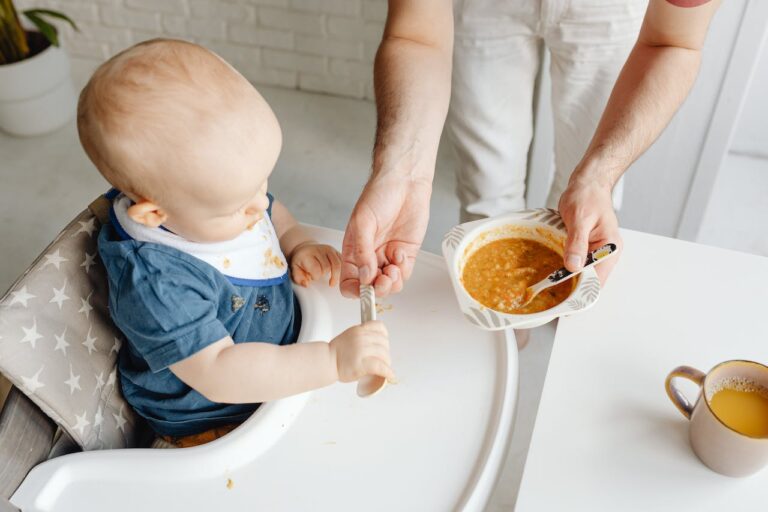
For the first 6 months, you baby will only be drinking your breast milk or infant formula. Between 6-12 months, during the beginning stage of baby weaning, keep feeding your baby your milk of infant formula alongside these early foods. Small amounts of whole cows milk can be mixed to baby rice or baby cereal, however cow’s milk should not be given as a drink. Only after your baby turns 1 year old can they be given cows milk to drink. Continue with your breast milk for as long as both you and your baby want.
4. Preparing Homemade Baby Food
Many parents chose to make their baby’s first foods at home as it allows you to control the ingredients and ensure freshness. Be sure not to add any salt, sugar, stock cubes or gravy to your baby’s food or cooking water. Salt is dangerous to their little kidneys and sugar can cause tooth decay, even on those little baby teeth!
Any food not used can be stored in the fridge or freezer and reheated when needed. Lots of parents freeze small batches in ice cube trays, as a couple of cubes reheated makes the perfect amount for their little tummies!
5. Be Patient
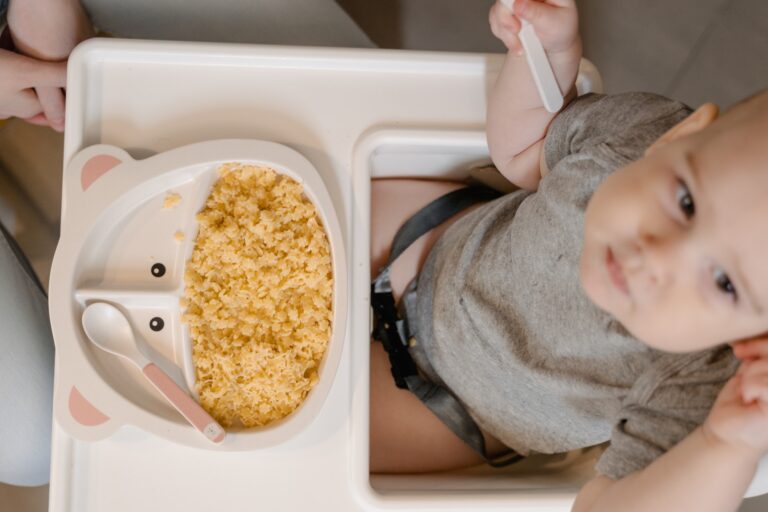
Be patient and never force your baby to eat; they will clearly let you know when they have had enough by closing their mouths and turning their heads away. Give your little one lots of praise and encouragement throughout their weaning journey and continue to offer a variety of food along the way, even the ones they may have rejected. They need to try a food several time before they get used yo the textures and flavour. And remember it will get messy!
6. Gradual Food Progression
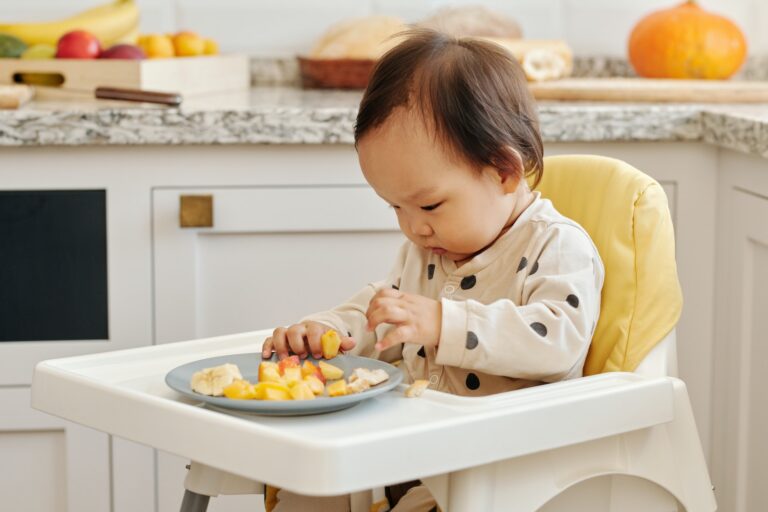
As your baby becomes more accustomed to solid foods, it will become time to gradually increase the variety and texture of foods. Let your baby enjoy touching and holding their food by introducing soft finger foods that they can grab like chopped banana, thick slices of avocado, or well cooked pasta.
The next foods to introduce could be soft-cooked meats such as chicken and mashed fish, which must be carefully checked from bones! Rice, scrambled eggs, beans and lentils are good choice too and provide essential iron critical for your baby’s growth and development. Full fat dairy products such as yoghurt, fromage frais and pasteurised cheese can also be given now.
7. Feeding Schedules
When it comes to babies, as parents and caregivers we know how important routines are. When establishing your baby’s feeding schedule, it is important to be flexible and let your baby lead you along the process. To begin with your baby will not need 3 meals per day; only offer your baby small amounts of food such as a few pieces or teaspoon amounts. You may want to offer the food before their usual milk feed, when you know they will be interested and more hungry. As they progress, your baby may continue to prefer smaller, more regular meals or may prefer 3 meals per day. You can slowly replace milk feeds with solid meals, beginning with their least important feeds of the day first.
8. Supporting Developmental Milestones
As your baby continues on their baby weaning journey, you will see other areas of their development evolve. By allowing your baby to feed themselves, you are supporting them to develop their fine motor skills and hand-eye coordination. The introduction of different textures encourage chewing and strengthens their jaw muscles, which can impact their speech development. And by spending this quality time with your baby and talking about the different food being offered, you are introducing them to a wide variety of new vocabulary.
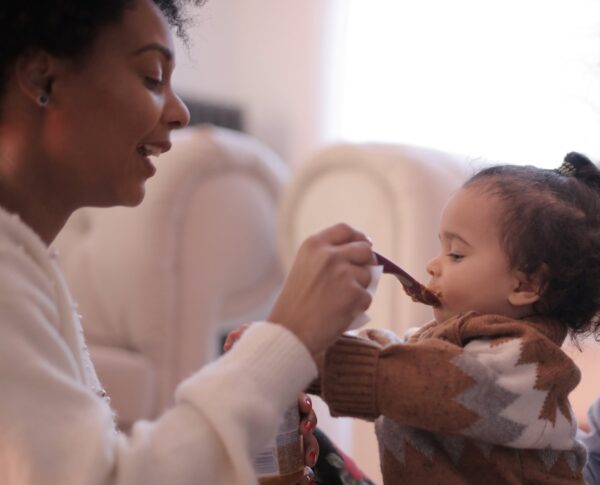
9. Family Time
By the time your baby celebrates their 1st birthday, you may find they are eating the same foods are the rest of the family. However, it is important to still continue to be mindful of their salt and sugar intake and as always be aware of choking hazards and allergies!
Sitting down together as a family provides your baby with a great example of eating; babies learn through watching their parents and siblings, so use family mealtime to teach your little one healthy eating habits! Sit together at the table and include your baby in family conversations. Avoid putting your baby in front of the television, phone or tablet – you may find this helps keep them distracted in order to feed them, but this is just forming bad habits. Having a regular routine for mealtimes each day, will help your baby to quickly understand what to expect at mealtimes!
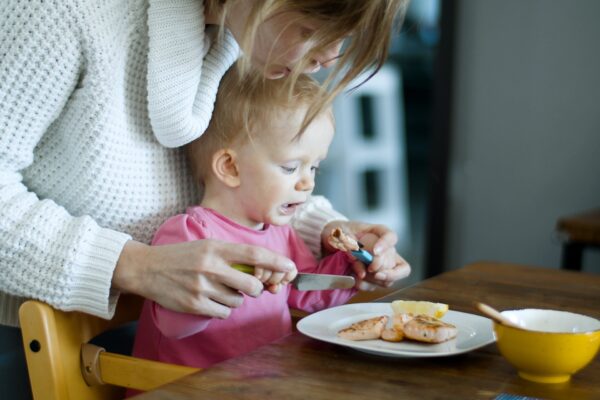
10. Remember, Always SAFETY First!
Always ensure your baby is sitting in an upright position while eating, as this will reduce the risk of choking. It is important you are always with your baby when they are eating and are carefully supervising them at all times. Avoid foods that are a choking hazard such as hard foods, bones, food with skin such as sausages, and small round fruits like grapes, cherry tomatoes and blueberries. Always peel the skin of fruits, vegetables and sausages, and then mash or puree. Bones should be removed from soft-cooked meat and fish, and must be carefully checked before given to your baby. Finger foods should be soft and easy for your baby to grab – a good indiction is pieces the size of your own finger! Whole nuts must also be avoided until your child is at least 5 years old!
Remember to always be mindful of food allergies and consult your GP or Paediatrician if you have any concerns with allergenic foods.
At Growing Greatness, we encourage all parents to take a Paediatric First Aid course to learn those lifesaving skills!
Throughout your baby weaning journey both you and your baby are learning, growing and exploring foods together. It is a special time where you are opening your child’s world to new experiences and the beauty of food! Remember all children are unique, so it is important to be patient, flexible and enjoy the process! Happy Weaning!